
Mastering Pest Control for Businesses: Key Techniques
Key Highlights For businesses to run smoothly, keep customers happy, and maintain a good name, controlling pests is key. With pests around, they can really mess with how things work in a business and get people talking for all the wrong reasons on social media. On top of that, having pests can lead to legal issues and health concerns. This means making sure places are safe and not putting anyone’s health at risk. Knowing which bugs or rodents usually show up in workplaces helps a lot when it comes to keeping them under control across various industries. Mice, big bugs like cockroaches, and wood-munching termites often give business owners headaches because they’re so common. -With changes in seasons come different pest problems. So businesses need plans tailored for those times of the year when certain critters start showing up more. Introduction Pest control for businesses is super important, not just to get rid of bugs and rodents but also to keep the workplace safe and successful. Knowing how crucial good pest management is can protect your business’s day-to-day running, its reputation, and everyone’s health there. By figuring out what kinds of pests usually show up in places like yours and taking steps ahead of time to stop them from coming in, you can tackle any problems before they grow big. Whether you decide to call in experts offering pest control services or try handling it yourself with DIY strategies, the main thing is always being on alert and ready to act fast against pests that could harm your business operations. Understanding the Importance of Pest Control for Businesses Keeping pests away is super important for businesses because it helps protect their work and how people see them. If bugs or rodents take over, it could cause legal problems, health concerns, and make the business look bad. Making sure there are no pests around is key to meeting safety rules and making customers happy. Without good pest control for businesses, a business might lose money, have to stop what they’re doing, and watch as customers start to doubt them. It’s really crucial for companies to stay on top of getting rid of pests so that places where we shop or eat can be safe and clean. The Impact of Pests on Business Operations and Reputation When pests like ants, cockroaches, or rodents show up, they can really mess with how a business runs and make it look bad. These critters can wreck stuff, spoil products, and make both customers and workers feel uneasy. This could cause a company to lose money, get hit with fines from regulators, and even lose their clients’ trust. To keep everything running smoothly and keep the company’s image looking good, it’s super important to deal with these pests quickly by using effective pest control methods. Businesses that prioritize pest control for businesses can avoid these issues and maintain a clean and professional environment for all. Legal and Health Implications of Pest Infestations When pests take over commercial places, it can cause big legal and health problems. If businesses don’t follow the rules for keeping pests away, they could end up paying fines or facing legal trouble. Pest control for businesses is crucial in preventing issues like these. Pests like mice and cockroaches are not just gross; they carry diseases that can harm both workers and customers. It’s really important to keep these unwanted guests out not only because the law says so but also to protect everyone who comes into your building. By sticking to pest control guidelines, you make sure your business is a safe place free from health risks caused by pests such as rodents and cockroaches on your premises. Identifying Common Pests in Commercial Settings In the world of business, dealing with pests like cockroaches, ants, rodents, termites, spiders, mosquitoes, wasps fleas and mites is a common challenge. Pest control for businesses These critters can really mess up how a company runs and what people think of it. To keep them in check effectively understanding where they come from and how they behave matters a lot. By keeping an eye out regularly for any early hints that these pests are around you can stop bigger issues before they start. For businesses down under in Australia getting help from a pest control company skilled at handling these specific nuisances with customized plans is super helpful. Types of Pests That Frequently Affect Businesses Cockroaches, ants, spiders, rodents, and termites often trouble businesses a lot. These critters tend to invade commercial spaces like those in the hospitality sector and can cause big problems. On top of these pests, mosquitoes, wasps fleas mites ,and ticks should also be on your radar because they can interrupt business activities and harm a company’s good name. To keep your business premises free from pests proactive monitoring swift pest control actions are key. Seasonal Pest Patterns and Their Impact on Businesses With the change of seasons, we often see a shift in pest behavior that can really affect businesses. In the warmer times of year, it’s not unusual to find more ants, mosquitoes, and wasps hanging around. These critters aren’t just annoying; they can actually mess with how a business runs and might even pose health risks to people working or shopping there. By getting ahead of these seasonal trends, companies can take steps early on for controlling pests. This way, they keep their operations smooth and uphold a good image without any interruptions. What are the most effective pest control methods for businesses? For businesses, the most effective pest control methods include regular inspections, proper sanitation, sealing entry points, using baits and traps strategically, implementing a pest control plan tailored to the specific needs of the business, and seeking professional help for severe infestations. Preventative Measures for Effective Pest Control Keeping your business clean and doing regular upkeep is key to controlling pests for businesses. Making changes to the building that keep pests away can really cut down on
10 Essential Move-Out Cleaning Tips
Key Highlights When you’re moving out, it can feel like a lot to handle, but having a checklist can really help keep things under control. To make sure you get your deposit back, cleaning up thoroughly is key. If you bring in cleaners for the job, they can save you both time and stress as you’re getting ready to leave. Some top tips for cleaning before leaving include giving the kitchen a deep clean, making sure the bathroom shines after scrubbing it down, and not forgetting to vacuum and mop all floors. With tasks like wiping down walls and windows clean plus taking care of bedrooms and places where stuff gets stored away – even sweeping up any outdoor areas – are also pretty important steps. Lastly, don’t overlook small details such as replacing any burnt-out bulbs or giving fixtures one last polish; doing a final walkthrough ensures that your old home looks its best. Introduction Switching to a new apartment is definitely exciting, but it’s also pretty stressful. You’ve got a lot on your plate, like hunting for the perfect spot, packing up everything you own, and figuring out all the moving details. On top of that, there’s the big job of cleaning up your old place before handing over the keys. Making sure your old apartment is spick and span isn’t just good manners for whoever moves in next; it’s crucial if you want to see your security deposit again. Landlords usually expect their property back in tip-top shape—just like when you first moved in—and any damage or mess could mean saying goodbye to some or all of that deposit. To keep things as easy-peasy as possible during move-out cleaning time, having a checklist can be a real lifesaver. With this list by your side, you won’t miss any critical spots needing attention. Whether tackling the clean-up on your own or bringing in professional cleaners to help out ensures leaving behind an impeccably clean space. By sticking with these essential tips for clearing out and following through with thorough cleaning tasks—or opting for professional cleaners—you’re setting yourself up nicely not only for getting back that security deposit but also making things pleasant for those who come after. Top 10 Essential Move-Out Cleaning Tips Leaving an old home and moving to a new place can feel overwhelming, but by following some simple cleaning tips, you can ease the process. To help you out, here are ten crucial move-out cleaning suggestions: Start with decluttering each room to make the actual cleaning easier. With dusting off all surfaces next on your list, no spot should be left untouched. By focusing on windows and mirrors using a streak-free cleaner, they’ll shine brightly. Don’t forget about deep-cleaning carpets; renting a steam cleaner might do wonders. Tackling kitchen appliances inside and out ensures they look as good as new for the next occupant. Pay special attention to bathrooms – scrubbing tiles and sanitizing fixtures is key. For those hard-to-reach areas like ceiling fans or high shelves, use an extendable duster. Wiping down walls can remove any scuffs or marks that have accumulated over time. -A thorough sweep and mop of all floors will catch any dirt missed during vacuuming. -Finally wrapping up with replacing any burnt-out light bulbs makes sure every room looks bright. By keeping these points in mind during your move-out clean-up,you’re not just making things less stressful for yourself but also leaving your old home sparkling clean for its next chapter 1. Deep Clean the Kitchen, Focusing on Appliances and Cabinets In most apartments, the kitchen gets used a lot and ends up being pretty dirty. When it’s time to move out, you really need to make sure the kitchen is super clean, especially things like appliances and cupboards. Start off by taking everything out of your cupboards and giving them a good wipe down with some cleaner to get rid of any dirt or bits of food left behind. Don’t forget about cleaning inside stuff like your dishwasher and fridge too; you want to remove all stains or bad smells from there. Also, take some time to clean off your countertops, sink, stove top as well as sweeping or vacuuming the floor so no crumbs or other bits are lying around. By doing a thorough job on cleaning the kitchen this way ensures that it looks nice for whoever comes in next. 2. Scrub the Bathroom to Sparkling Condition When it comes to cleaning up before moving out, the bathroom needs some extra care. Begin with tackling the toilet bowl using a cleaner designed for toilets to get rid of any marks or smells. For the bathtub, shower, and sink, grab a bathroom cleaner and work on removing soap scum and grime that’s built up. Don’t overlook wiping down the mirror and vanity; use a glass cleaner for that shine effect. To finish off, mop the floor well—make sure you reach every corner to eliminate all dirt or grime spots. By giving your bathroom this thorough clean-up job, you’re making sure it’s fresh-looking and smelling great for whoever moves in next. 3. Ensure All Floors are Vacuumed and Mopped When you’re getting ready to move out, cleaning the floors is a key step. Begin with vacuuming the carpets to pick up any dirt or bits lying around. If your carpets have stains, think about using a carpet cleaner or maybe get some pros in for a deep clean. With hardwood floors, start by sweeping or vacuuming to catch all that loose dirt; then mop them well with the right kind of cleaner to tackle any sticky grime left behind. Make sure not to skip over those tricky corners and edges where dust likes to hide! For area rugs, give them a good shake and run the vacuum over them before taking them along to your new home. By making sure every floor is both vacuumed and mopped properly, you’ll leave your old place looking spotless and welcoming. 4. Wipe
Go Green with Eco-friendly Pest Control Solutions
Key Highlights When it comes to getting rid of pests, eco-friendly pest control is safe for your family, pets, and the environment. With a focus on stopping problems before they start, these methods aim for long-term fixes instead of just wiping out pests once they appear. By using Integrated Pest Management (IPM), there’s a proactive way that avoids harmful chemicals in controlling pests. If you stick with green pest control techniques and use them right consistently, they really can get the job done in keeping those unwanted guests away. Opting for friendly pest management not only cuts down on dangerous chemical exposure but also supports sustainability efforts. Introduction Are you on the hunt for a way to tackle pests that won’t hurt our planet? Then, eco-friendly pest control is your best bet. Unlike traditional pest control methods that often use harmful chemicals affecting both humans and animals, as well as damaging the ecosystem, organic pest control methods offer a safer and more environmentally-friendly solution. These methods use natural and non-toxic products to deal with unwanted guests, making them a great choice for those looking to go green with their pest control solutions. With the goal of effectively exterminating pest populations, eco-friendly pest control is a sustainable and responsible choice for pest management. With Clean & Green Pest Managers, we’re all about keeping things safe for you, your pets, and nature. Our team of licensed and trained pest controllers knows everything there is about Integrated Pest Management (IPM), aiming to solve your pest problems using the least toxic options available but still getting rid of those pesky intruders effectively. The stuff we use, recommended by our expert pest controllers, breaks down naturally in the environment so it won’t stick around or pile up harmfully. Proudly standing as Australia’s first truly green option in this field means a lot to us; it shows our dedication through plant-based solutions and practices mindful of Mother Earth. Our eco-friendly methods are just as effective as traditional pest eradication methods, ensuring results without compromising sustainability. Understanding Eco-Friendly Pest Control In Australia, the idea of eco-friendly or green pest control is catching on as folks start to worry more about how they affect nature. This approach tries to tackle pests in a way that’s safe and doesn’t mess up the ecosystem or hurt creatures that are actually good for it. Unlike old-school ways of getting rid of pests, which often use harsh chemicals that can stick around in nature for ages, this greener method leans towards things like natural enemies, traps, plant-based bug killers, and just keeping places clean so pests don’t come around in the first place. At the heart of friendly pest control is something called Integrated Pest Management (IPM). It’s all about staying ahead by preventing problems before they happen using methods that won’t harm people, pets or plants. IPM deals with why infestations occur and uses earth-kind solutions to keep everything balanced between kicking out unwanted guests and not messing up our planet. The Importance of Choosing Green Solutions Opting for green pest control methods is a smart move not just for the planet but also boosts your sustainability game. By choosing products and ways that don’t harm the environment, you’re cutting down on your carbon footprint and lessening your effect on nature. With eco-friendly pest control, it’s all about keeping things balanced. Unlike old-school methods that might hurt helpful critters like birds of prey, reptiles, and important pollinators such as bees, these greener options focus only on getting rid of pests. This way, those good organisms stay safe. On top of this, friendly pest control practices are great for long-term plans. They lean towards preventing problems before they start and using natural fixes to avoid constant re-treatments or relying heavily on nasty chemicals. Not only does this approach protect our earth but it also keeps our families and pets safer from harmful substances. How Eco-Friendly Methods Differ from Traditional Pest Control When it comes to getting rid of pests, there’s a big difference between the usual way and the eco-friendly way, especially in what they’re made of. The regular pest control stuff uses strong chemicals that aren’t good for us, animals, or our planet. On the flip side, with friendly pest control methods, we use things that won’t harm you or your pets. This means less worry about bad chemicals and doing better by nature. By going this route, you can rest easy knowing everyone at home is safe from nasty toxins. Also worth mentioning is how these two approaches deal with pests differently. Traditional ways are all about zapping them right away without much thought for later on. Eco-friendly strategies take their time – they look into why pests are showing up in the first place and try to fix those issues while keeping future problems at bay too. Benefits of Eco-Friendly Pest Control for Your Home When you go for eco-friendly pest control, it’s a win-win situation. You get to keep your home free from pests without using harsh chemicals that can be harmful. This kind of green pest management is not only better for the planet but also safer for kids and pets since it doesn’t rely on toxic products. By choosing this route, you’re looking out for your family’s health in the long run and ensuring peace of mind knowing your living space is both clean and safe. Plus, by opting for friendly pest control methods, you’re doing your part in reducing environmental damage. Safety for Children and Pets When it comes to getting rid of pests, one big worry is making sure our kids and pets are safe. A lot of the usual ways people try to control pests use chemicals that could be bad for their health. With eco-friendly pest control, the focus is on keeping children and pets, including possums, out of harm’s way by using stuff that won’t hurt them. These natural products work well against pests but don’t bring the risk of
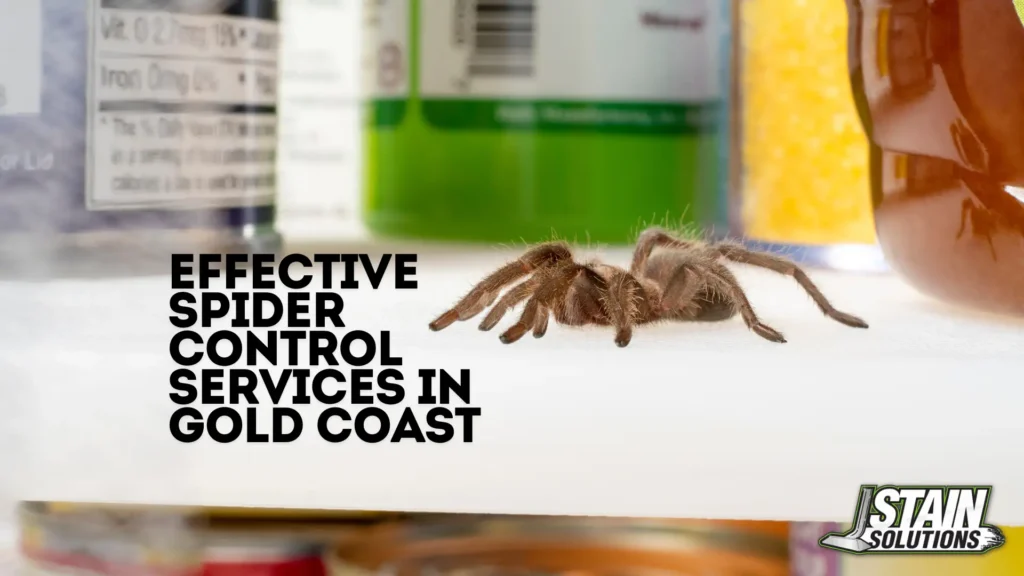
Effective Spider Control Services in Gold Coast
Key Highlights In Gold Coast, spider control services work well to keep spiders away and make homeowners feel safe. With professional spider treatment plans made just for your home, you get protection from spiders that lasts a long time. Spider pest control services also look out for health problems caused by spiders, like allergies or bites. Trying to get rid of spiders on your own might not cut it because it doesn’t always solve the problem at its root. By using preventative steps and maintenance services, future troubles with spiders can be avoided and homes stay protected longer. Introduction In Gold Coast homes, dealing with spiders is a pretty common problem. To handle this, you really need good spider control services that know how to tackle the issue head-on. It’s important to get why these critters pick houses in the first place and understand what makes them tick. The pros at spider pest control can come up with plans just right for your home, making sure those dangerous ones like funnel webs or redbacks are gone for good. With some smart steps ahead of time and keeping things tidy regularly, homeowners can keep their places safe from being overrun by spiders. Our skills in getting rid of spiders mean you can relax knowing your space is clear of these pests. Understanding Spiders in Gold Coast The Gold Coast is a place where you can find lots of different types of spiders, from the ones that won’t hurt you to those with dangerous venom. It’s really important to know about the various spider species around so we can keep them under control properly. Among the common kinds of spiders in Gold Coast are funnel web spiders, wolf spiders, mouse spiders, and redback spiders. Even though not every spider is out to get us with their venom, being aware they’re around and knowing how to manage them is key. Common Spider Species in the Area In the Gold Coast, you’ll find a bunch of different spider species hanging around. Among them, funnel web spiders grab a lot of attention. These guys are pretty feisty and have a bite that packs quite the punch. They love chilling in damp, shadowy spots like gardens or under logs. With wolf spiders around too, things get interesting because they’re super quick and great at hunting down their prey. You’ll usually spot them out in grassy areas or poking around gardens. Then there’s mouse spiders which kind of look like funnel web spiders but don’t worry; they’re not as keen to pick a fight. These ones prefer staying underground in their burrows and aren’t seen topside much. Don’t forget about redback spiders either! Easily spotted by the bright red mark on their belly, these venomous creatures can cause some serious trouble if they bite you. Why Spiders Choose Your Home Spiders come into our homes for a bunch of reasons. If you know why they’re picking your place, it’s easier to keep them out. Here are some things that make spiders think your home is the perfect spot: In cities, there’s plenty of food and places to hide, so spiders find urban areas super inviting. To stay safe from enemies and bad weather, spiders look for shelter in our houses. With their knack for squeezing into tiny spaces and hidden corners, homes are great spots for spiders to set up shop and have babies. Because they like moist places, parts of your house like the basement or bathroom can be really appealing to them. To stop these eight-legged guests from making themselves at home with you, tackling these issues head-on works best. Keeping up with regular spider control steps will help kick them out and keep your space spider-free. The Importance of Professional Spider Control Getting help from professional spider control services in Gold Coast is really important for a bunch of reasons. First off, these experts tackle the immediate dangers spiders bring to our health and make sure they keep us safe from future problems too. Here’s why getting pros on board matters: When it comes to health risks, some types of spiders can bite and cause serious allergic reactions or other big health troubles. By bringing in professionals for spider control, you’re cutting down the chances of anyone getting bitten and facing those issues. The way these pros handle spider treatment is top-notch because they know exactly how to find where spiders are coming from and get rid of them completely. With their deep understanding about what makes spiders tick and how best to stop them, pest control experts are your go-to people. Lastly, after sorting out an infestation once doesn’t mean it’s goodbye forever; that’s why ongoing maintenance by these services ensures your place stays protected against any more unwanted eight-legged guests. So yeah, whether we’re talking about keeping away venomous kinds or just ensuring our homes don’t turn into a scene straight out of “Arachnophobia,” having skilled folks who specialize in pest control can make all the difference. Health Risks Associated with Spiders While not every spider is harmful, there are a few that can be really dangerous to people. Knowing about the health risks spiders might bring and how to keep yourself and your loved ones safe is crucial. Here’s what you should watch out for: When it comes to most dangerous spiders, species like the funnel web spider and redback spider stand out because their bites can seriously harm humans. With allergic reactions, some folks might find themselves having mild symptoms or even facing life-threatening anaphylactic shock from a spider bite. Talking about spider bites, they’re no fun at all. They can make the bitten area hurt, swell up, turn red, and itch like crazy. If things get really bad, you could feel sick beyond just where you were bitten. As for first aid, if a spider does bite you, getting medical help fast is key. But doing some first aid stuff right away—like cleaning it well and keeping it
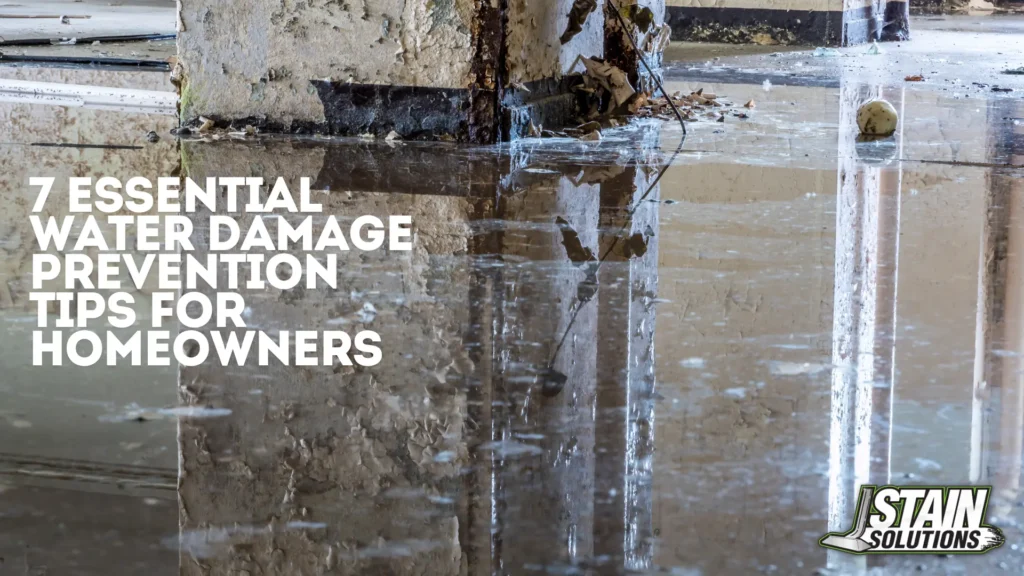
7 Essential Water Damage Prevention Tips for Homeowners
Key Highlights Dealing with water damage can hit your wallet hard, but taking steps to prevent it is possible. By keeping an eye on and maintaining your pipes regularly, you can dodge leaks and other plumbing problems that might cause water damage. With the right yard work and managing how water flows outside your home, including making sure there’s good drainage, you can avoid harm to your house’s structure and stop mold from popping up. Putting in systems that spot leaks early can alert you before things get worse, offering peace of mind. It’s also key to make sure your roof and gutters are in top shape to keep away water damage caused by ice dams or issues with how rainwater runs off. Getting ready for seasonal weather changes like freezing temperatures helps prevent pipes from bursting due to cold snaps as part of a smart approach against potential water woes. Introduction Protecting your home from water damage is super important. Water can cause a lot of trouble, like damaging the structure of your house, ruining your stuff, and even affecting how healthy it is to live there. Making sure you keep water damage away isn’t just something nice to do; it’s really essential for keeping your home in good shape for a long time. When we talk about the risks that come with water damage, we’re looking at a problem that many homeowners might run into and could end up costing them quite a bit. There are lots of different ways this kind of damage can happen, each bringing its own set of problems to solve. By understanding what these risks are all about, people who own homes can get ahead by doing things to stop or lessen any harm caused by water. In our blog today, we’ll share some key advice on how you can avoid getting hit by water-related issues inside and outside your place. We’ll go over everything from checking out plumbing systems regularly and fixing them when needed to getting ready for changes in weather throughout the year, including monitoring your water pressure, so nothing catches you off guard. By following these suggestions on avoiding water troubles,costly issue, folks will be able not only save their houses from serious damage but also make sure they have a cozy and safe spot for themselves and their loved ones without worrying too much about unexpected leaks or floods messing things up. 7 Key Strategies for Preventing Water Damage in Your Home To keep water damage at bay, it’s all about staying ahead of the game and keeping up with routine upkeep. Homeowners can really cut down on the chance of running into problems by sticking to these seven important tips to avoid the risk of water damage. With a proactive approach and regular maintenance, you’re setting yourself up to dodge potential issues that could harm your home. 1. Regular Inspection and Maintenance of Plumbing Systems Plumbing issues are a big reason why homes get water damage. When pipes leak, faucets don’t work right, or fixtures break, water can slowly build up inside walls, ceilings, and floors. Over time, this might cause mold to grow and parts of the house to weaken or even harm the foundation. To avoid these problems, it’s important to regularly inspect and maintain your plumbing systems, looking for signs of a leak such as damp, dark spots on the floor, wall, ceiling, and pipes. Common devices that may cause a leak include toilets, sinks, dishwashers, ice makers, washing machines, bathtubs, and showers. Keeping everything in good shape helps stop serious water damage and saves you from spending a lot on repairs later on. 2. Proper Landscaping and Exterior Water Management The way a house is designed and built can affect how easily it might get water damage. If windows and doors aren’t sealed well, water can sneak in. Without enough air flow, condensation might form, which could cause mold to grow and materials to break down over time. Also, if there are cracks in the foundation or walls, they could let water into the house. By choosing building materials that resist water, making sure there’s good insulation and airflow, and keeping up with regular maintenance checks on your home, you can help prevent these issues from happening, including termite activity. 3. Installation and Upkeep of Water Detection Systems Water detection systems are smart tools that help people living in houses get a heads-up and instant updates if there might be water leaks. These gadgets are great because they help stop big problems with water damage before they start by keeping an eye on places where leaks often happen, like basements, under the house spaces, bathrooms, kitchens, and laundry rooms. With these systems working all the time to check for any small changes in wetness that could mean a leak is happening, homeowners can quickly install them by purchasing them at hardware stores or online. This way of catching leaks early lets homeowners fix them quickly before things get worse. By spotting these water leaks right when they begin, folks can act fast to control and fix the problem so it doesn’t lead to huge issues or harm their home. 4. Ensuring Good Roof Condition and Gutter Functionality The top of your house and the gutters around it are super important for keeping water damage away. When it gets cold, ice dams might form up there, which can let water sneak in and cause a bunch of problems. To stop this from happening, you should regularly check out your roof to fix any broken shingles and make sure everything’s insulated right. This helps keep those pesky ice dams at bay along with other issues that could pop up on your roof. On top of that, having clean gutters that work well is key to making sure water flows away from your home properly. This stops pools of water from gathering near your place which could mess with the foundation or sides of your
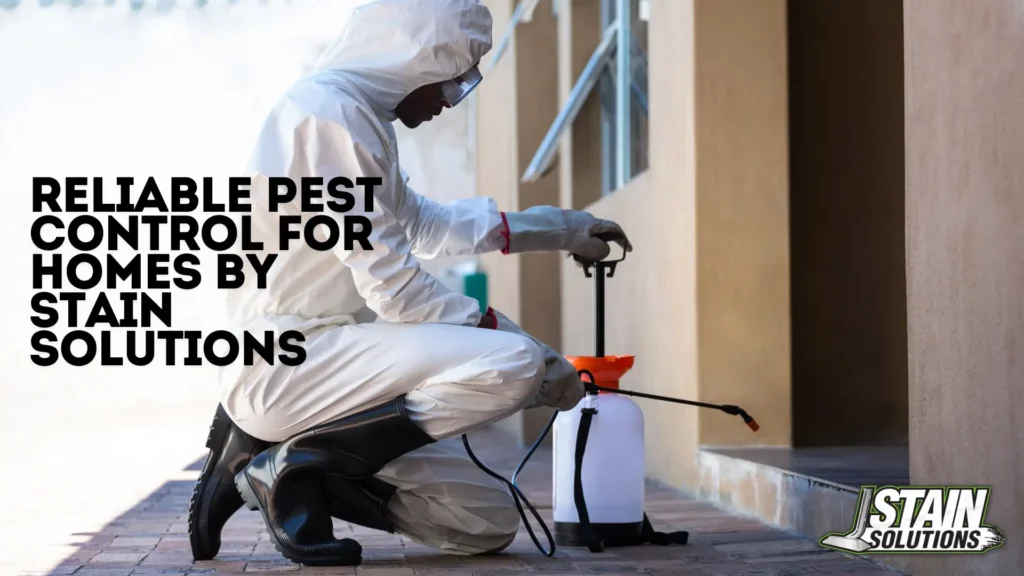
Reliable Pest Control for Homes by Stain Solutions
Key Highlights Stain Solutions is your go-to for keeping pests out of your home. They’ve got everything from checking for pests, making plans to deal with them, and steps to keep them away in the future. With their smart use of safe pest-fighting methods, they make sure both people and pets are not harmed. By knowing a lot about how to get rid of common unwanted guests like ants, cockroaches, mice, or termites quickly and efficiently. Stain Solutions offers top-notch services not just for homes but businesses too. They’re all about making customers happy by doing an excellent job. When it comes down to fighting off those annoying critters that can mess up your house or even make you sick – think bugs that bite or rodents that sneak around – having Stain Solutions on speed dial makes a big difference. They really get what homeowners need when it comes to battling these pest issues head-on with tailor-made solutions. Besides getting rid of pests right now; they also teach you how to keep them from coming back later on which means less worry over time about any new invasions happening again soon after being dealt with once already! Plus there’s this handy guide they give out so everyone knows what needs doing each season stay ahead game against pesky intruders year-round without fail! So if peace mind knowing place free of nasty surprises sounds good then look no further because the team behind Stain Solutions has the skills necessary to ensure your home stays that way while taking care of every step along the journey towards achieving that goal together safely and effectively possible. Whether we’re talking inspections, treatments, or preventative strategies alike – it’s all covered here at Stain Solutions where the priority number one always remains ensuring the well-being of your loved ones alongside maintaining high standards across the board whenever dealing with anything related to pest control whatsoever. Period. Full stop. Introduction At Stain Solutions, we’re here to help you keep your home free from unwanted pests. Our team knows how crucial it is to manage pests properly to protect where you live. By using new methods and technology, we can take care of many kinds of pest problems for you. Whether it’s checking for termites, getting rid of rodents, or handling bugs, our services for pest control for homes are designed just for what you need. Count on us at Stain Solutions for reliable pest control to give you peace of mind with a home that’s free from pests. Understanding Pest Control Needs for Your Home Every house is different when it comes to dealing with pests. You might find various types of pests, like ants, cockroaches, or even rodents and termites in different homes, each causing its own level of trouble. It’s crucial to figure out what kind of pest problem you have so you can get the right help with residential pest services for homes. Trying to tackle a pest issue by yourself isn’t always going to cut it, especially if things are pretty bad. That’s where professional pest control services come into play. Companies such as Stain Solutions know exactly how to spot and wipe out these unwanted guests from your home. With their training, professional pest control technicians use specific methods and products that make sure pests are gone for good. They look at how serious the infestation is and come up with a plan just for your situation – hitting the problem at its core so it doesn’t happen again. If pests have invaded your space, getting help from pros like those at Stain Solutions is a smart move for pest control for homes. Their team not only gets rid of current infestations but also works hard to keep them away in the future while keeping everyone safe in your home through.excellent service. The Importance of Regular Pest Inspections Keeping your home free from pests is crucial, and regular pest inspections play a big part in this pest control for homes. These checks help spot any early signs of pests before they turn into bigger problems, making it easier to deal with them quickly. By doing these inspections often, you’re looking out for your family’s health and keeping your house safe from damage. Pests vary widely in shape and size, meaning different types need different ways to handle them. With routine checks, you can figure out which pests are trying to make themselves at home and work out the best way to get rid of them pest control for homes. This is super important for dealing with pests like cockroaches and rodents that aren’t just gross but can also spread diseases by getting into food or touching surfaces around the house in the long term. On top of figuring out what kind of pest might be lurking around, these inspections can show why they’re showing up in the first place pest control for homes. Often times, things like too much moisture or leaving food out attract unwanted guests. Once you know what’s drawing them in, you can fix those issues so your home isn’t inviting to pests anymore. Stain Solutions offers thorough pest control services that include checking over every inch for any sign of critters as part of their package deals Their skilled pest control technicians have an eye for spotting trouble spots where pest species could be hiding They’ll give advice on how best tackle current infestations while helping prevent new ones down line Scheduling these check-ups through Stain Solutions means staying ahead game when comes protecting both safety family against threats posed by creatures such as cockroaches, rodents, and termites. Our range of services includes one-off pest services and termite inspections, ensuring peace of mind all year round. Identifying Common Household Pests Figuring out what kind of pests are bugging your home is key to getting rid of them for good. Since different critters need different ways to be shown the door, it’s pretty important to know
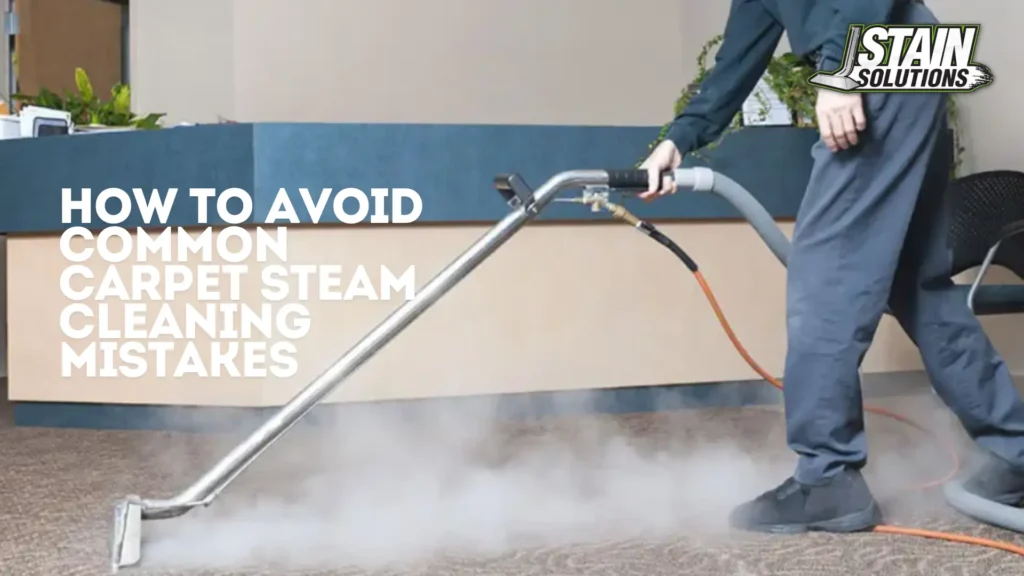
How to avoid common carpet steam cleaning mistakes
Introduction Whether you’ve been cleaning carpets for years or are just getting started, it’s really important to know how to steer clear of the usual slip-ups with proper steam cleaning methods. Making a mistake can mess up both how clean your carpet gets and how long it lasts. From not prepping right to skipping out on making sure things dry properly, getting all the details down is key for top-notch results. By paying attention to every part of the process, you can step up your cleaner game and keep those carpets looking good as new way into the future. Don’t forget that taking good care of your carpet does more than just make your space look better; it also makes for a healthier place inside. Mistake 1: Poor Preparation Before you start steam cleaning your carpet, it’s really important to vacuum and clear the space. If you don’t get ready properly, you might not be happy with how things turn out. Making sure all the moisture is sucked up well is a big deal because if it’s left behind, mold could start growing. It’s also crucial to measure and use cleaning agents just right; rushing can mess things up so take your time instead. Tackle any stains before moving on to the whole carpet steam cleaning thing and always check that colors won’t run by doing a little test first. Not drying everything properly can cause issues with too much moisture hanging around later on. Using good methods for getting rid of tough stains ahead of time can really help make the whole process more effective. Remember to adjust your steam cleaner settings according to the manufacturer’s instructions for optimal results. Importance of vacuuming and clearing the area before steam cleaning Before you start with steam cleaning your carpet, it’s really important to vacuum and tidy up the space first. By getting rid of the surface dirt and dust mites through regular vacuuming on a weekly basis, you make sure that the cleaning process works way better. If you skip this step, you might not get great results because soil particles can get stuck in the carpet fibres. Paying special attention to pre-cleaning like this, including dusting the walls and skirting that adjoin the carpet or rug, doesn’t just help your carpet last longer; it also makes the air inside your home cleaner. So, always remember to vacuum regularly as a basic part of keeping your place clean before going for a deep steam cleaning session on your carpet. How insufficient preparation can lead to subpar results Not getting ready properly before steam cleaning your carpet can make the results not as good. If you don’t vacuum well or move things out of the way, dirt and bits can get stuck in the carpet. This messes with how well it gets cleaned, leaving some soil particles behind and making it less effective. By preparing right, you let the steam really get into those fibers for a deeper clean. Without enough prep, carpets might end up looking dull and not completely clean. Mistake 2: Incorrect Water Temperature When it comes to steam cleaning your carpet, picking the right water temperature is key to avoiding carpet fiber damage. If the water’s too hot, you might end up hurting the carpet fibers. On the other hand, if it’s too cold, it won’t clean well enough. The trick is to find that perfect middle ground for a deep clean without any damage. By sticking with what the manufacturer suggests as the ideal temperature, you’ll make sure your cleaning process goes smoothly and leaves your carpets looking great. Using water at an incorrect temperature can mess up your whole cleaning effort and leave you less than happy with the results. Discussing the ideal water temperature for effective steam cleaning In steam cleaning, the heat of the water is super important for getting your carpet really clean. You want to aim for a sweet spot with the temperature, which is usually between 175 and 212 degrees Fahrenheit. If you use water that’s too hot, it could mess up your carpet by damaging its fibers. On the other hand, if the water’s too cold, it won’t do a good job at getting rid of all that dirt and those pesky stains. To make sure you’re cleaning thoroughly but not hurting your carpet in any way, sticking to what the manufacturer suggests is key. Consequences of using water that’s too hot or too cold When you’re steam cleaning your carpet, the temperature of the water really matters. If it’s too hot, you might end up damaging your carpet by making it shrink or warp, leading to potential carpet fiber damage. On the flip side, using cold water won’t do a good job at getting rid of dirt and stains, leaving you with less-than-ideal results. It’s super important to use water that’s just right in temperature for effective cleaning without harming your carpet. Finding that perfect balance is essential for top-notch cleaning outcomes. Mistake 3: Over-saturating the Carpet Putting too much water on the carpet can lead to problems like mold, which is one of the most common steam cleaning errors. It’s important to make sure all the moisture is taken out properly to stop damage and keep the air inside clean. Keeping just the right amount of dampness is key so you don’t end up with dust mites and stuff in the air that can mess with people’s health and hurt your carpet over time. After cleaning, it’s really important to dry everything well so your carpet lasts longer without any trouble. When doing steam cleaning, using just enough water but not too much helps avoid soaking the carpet too much and keeps away issues related to that. The risks of using too much water, including potential for mold growth When you use too much water for steam cleaning your carpet, it can cause some big problems. For starters, mold loves wet places and a soaked carpet
Debunking 8 Common Carpet Cleaning Myths
Key Highlights To keep your carpet looking good and to make sure the air inside your home is clean, it’s really important to vacuum often and get professional carpet cleaning done. By doing this regularly, you’re not just making your carpets last longer but also ensuring they stay in great shape for years. Despite what some might think, vacuuming a lot won’t harm your carpet; actually, it helps by getting rid of dirt and bits stuck in the fibers. Even new carpets need regular care because they can pick up loose dirt and allergens that mess with the air quality indoors. While trying to clean them yourself might seem like a good idea, hiring professionals who have special equipment and cleaning products does a better job. When talking about steam cleaning, many people worry it could lead to mold. However, if you dry out the carpet well after using steam on it there shouldn’t be any issues with mold starting up. Also worth noting is that baking soda mixed with vinegar isn’t going to solve all stain problems – these homemade solutions work on some stains but definitely not all types. To disinfect your carpet, mix one part white vinegar with three parts water in a bowl or small bucket and use a scrub brush to refresh and disinfect the fibers. Lastly, there’s no truth in thinking that cleaning will shrink carpets either; especially when pros do hot water extraction which is totally safe for those soft floors under our feet. Introduction Carpets do a lot more than just cover the floor. They bring warmth, personality, and a cozy vibe that makes our homes welcoming and snug. But to keep them looking good and make sure they’re not harming our indoor air quality, we need to clean them regularly. Sadly, there’s quite a bit of wrong information out there about how to take care of carpets properly. In this blog post, we’ll clear up eight common myths surrounding carpet cleaning so you can know the real deal on how best to look after your carpets. The Truth Behind Carpet Cleaning Myths There are a lot of carpet cleaning myths out there that come from not really getting how carpet fibers work, thinking you need to use strong chemicals, and not realizing how key it is to look after your carpets often. It’s crucial to know what’s true and what’s not so you can take good care of your carpets. By getting the real scoop on these myths, choosing the right way to clean and keep up with your carpet becomes much easier. Myth 1: Vacuuming Too Often Ruins Your Carpet A lot of people think that if you vacuum your carpet too much, it might get ruined. But actually, the truth is quite the opposite. Keeping up with regular vacuuming is key to having a clean carpet and making sure it lasts longer. When you vacuum, you’re getting rid of dirt, dust, and other stuff that can get stuck in your carpet’s fibers. If these particles aren’t removed, they can wear down your carpet over time and shorten its life span. By sticking to a routine of cleaning your floor regularly with a vacuum cleaner that has both an adjustable beater bar and revolving brush set just right; not only do you keep things looking neat but also protect those fibers from damage caused by all the grime building up over time. To make sure every inch gets properly cleaned without harming the fabric itself; adjusting how high or low this beater bar sits along with changing up which direction you’re moving in while cleaning will help avoid any unnecessary roughness on each pass through – ensuring everything stays nice for as long as possible. Myth 2: New Carpets Don’t Need Cleaning A lot of people think that if a carpet is new, it doesn’t need to be cleaned. But even when they look spotless, these carpets can still have loose dirt, dust, and things that make allergies worse hanging around in them. This stuff isn’t great for the air inside your house. To keep everything clean and healthy at home, you’ve got to clean your carpets on the regular. Even though your fresh carpet seems all nice and tidy, getting it professionally cleaned every now and then helps keep it looking good as new for longer. With regular cleaning sessions for your carpeting needs taken care of by professionals who know what they’re doing ensures we cut down on those sneaky particles like allergens from building up over time which could mess with our breathing or cause other health issues down the line. Myth 3: DIY Carpet Cleaning is Just as Effective as Professional Services Many folks think cleaning carpets themselves is just as good as hiring pros. But, while you can get some dirt off on your own, it’s not quite the same. Pros have special gear and cleaners made just for deep diving into carpet fibers. They’ve got the training to pull out all kinds of grime, spots, and smells that DIY methods might miss because those often use everyday cleaning stuff which doesn’t always do the trick against stubborn stains or odors. On top of that, with professional services comes clean water and a way to make sure no soap bits are left behind to mess up your carpet later on. So really, if you want your carpets looking fresh and well-kept, going pro is worth it. Myth 4: Steam Cleaning Always Causes Mold A lot of people think that steam cleaning your carpet will always make mold start to grow. But, if you do it the right way, using steam to clean is actually a really good choice. With steam cleaning, those high temperatures get rid of dirt and spots without leaving the carpet too wet since they suck up the steam right away. Afterward, making sure your carpet gets dry is key in stopping mold from showing up. You can use fans, crack
How to Remove Set-In Urine Stains From Carpet
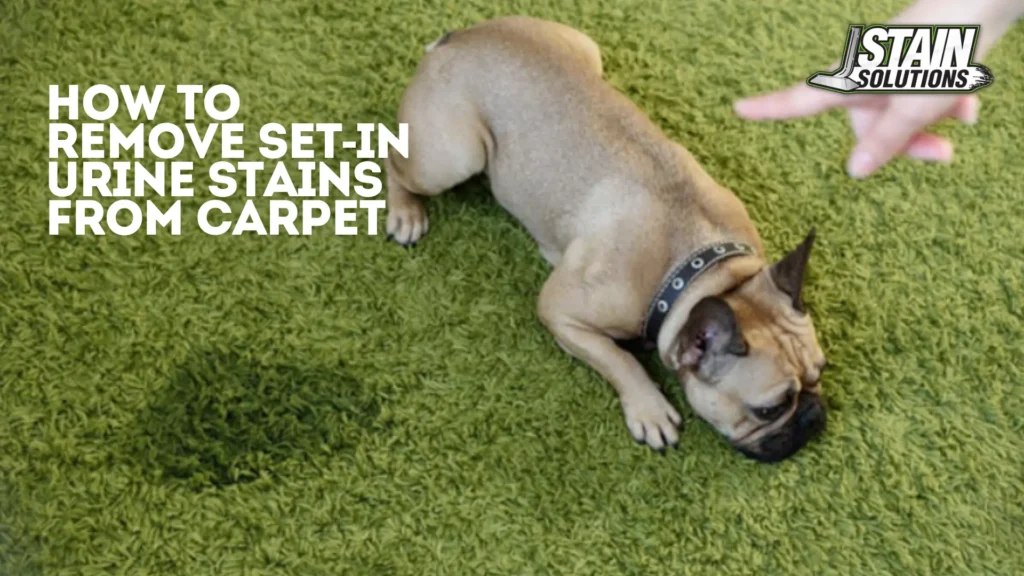
Key Highlights Urine stains on carpets can be a common problem for pet owners but there are effective solutions to remove them. Professional carpet cleaners and enzymatic cleaners are highly effective in removing set-in urine stains from carpet fibers. A homemade vinegar solution can also be used to treat urine stains on carpets. Prompt action is crucial when dealing with urine stains to prevent them from becoming permanent. Blotting, rather than rubbing, is the correct technique to remove urine stains without damaging the carpet fibers. Preventive measures such as spot cleaning and pet training can help protect your carpet from future urine stains. Introduction Carpet stains are a common issue in many households, and one of the most challenging stains to tackle is urine stains. Whether you have pets or young children, accidents can happen, and if not treated promptly, urine stains can become set-in and difficult to remove. But don’t worry, with the right techniques and cleaning solutions, you can successfully remove set-in urine stains from your carpet. In this blog, we will guide you through the process of removing set-in urine stains from carpet fibers. We will explore the chemistry behind urine stains and their impact on carpets, the importance of prompt action, immediate steps to take when a urine stain occurs, deep cleaning solutions for set-in stains, and professional pet stain removal techniques. We will also provide preventive measures to protect your carpet from future stains. By following the tips and techniques in this blog, you can restore your carpet to its original condition and eliminate any lingering odors caused by urine stains. Let’s dive in and learn how to effectively remove set-in urine stains from your carpet. Understanding Urine Stains and Their Impact on Carpets Urine stains can have a significant impact on the appearance and smell of your carpets. When urine comes into contact with carpet fibers, it can penetrate deep into the fibers and even reach the carpet pad. The ammonia in urine can react with the carpet fibers, causing discoloration and unpleasant odors. Bacteria in urine can also multiply and create a breeding ground for more odors and potential health hazards. If left untreated, urine stains can become set-in and difficult to remove, requiring more intensive cleaning methods. The Chemistry Behind Urine Stains from Carpet and Odors The chemistry behind urine stains and odors is complex. When urine is first deposited on the carpet, it is slightly acidic, with a pH level of around 6. As it dries, the ammonia in urine undergoes a chemical reaction, resulting in an increase in pH level and the release of nitrogen gas. This change in pH level can lead to discoloration of carpet fibers and the formation of stubborn stains. Additionally, urine contains enzymes and bacteria that can break down proteins in the carpet fibers, leading to further discoloration and unpleasant odors. The longer urine remains on the carpet, the more time these enzymes and bacteria have to break down the fibers and create a lingering smell. Understanding the chemistry behind urine stains and odors is essential in determining the most effective cleaning methods to remove them. Why Prompt Action is Crucial Prompt action is crucial when dealing with urine stains on carpets. If left untreated, urine stains can seep through the carpet fibers and reach the carpet backing, making them even more difficult to remove. The longer urine remains in the carpet, the more it can penetrate the fibers and become set-in, resulting in a permanent stain. In addition to the risk of a permanent stain, moisture from urine can create a breeding ground for bacteria and mold, leading to potential health hazards and unpleasant odors. By taking immediate steps to remove urine stains, you can prevent these issues and maintain the cleanliness and appearance of your carpet. Immediate Steps to Take When a Urine Stain Occurs When a urine stain occurs, it’s essential to take immediate action to prevent it from setting into the carpet fibers. The first step is to blot the stain with a clean, absorbent cloth or paper towel. Avoid rubbing the stain, as this can push the urine deeper into the carpet. Once you have blotted as much of the urine as possible, dampen a clean cloth with clean water and continue to blot the stain. This will help dilute and remove any remaining urine from the carpet fibers. If the stain persists, you can use a carpet stain remover specifically designed to target urine stains. Follow the manufacturer’s instructions for application and always test the stain remover on a small, inconspicuous area of the carpet before applying it to the stained area. Blotting vs. Rubbing: The Correct Technique When dealing with urine stains, it’s crucial to use the correct technique to avoid damaging the carpet fibers. The recommended technique is blotting rather than rubbing. Blotting involves applying gentle pressure to the stained area with an absorbent cloth or paper towel, allowing the cloth to absorb the urine. Rubbing, on the other hand, can cause the urine to spread and penetrate deeper into the carpet fibers. Rubbing can also damage the carpet fibers, potentially causing them to fray or lose their color. To prevent any potential damage, always blot the urine stain gently and in an outward motion from the center of the stain to the edges. This technique helps to absorb the urine without pushing it further into the carpet fibers or spreading it to a larger area. Homemade Carpet Cleaners for Initial Treatment For initial treatment of urine stains, you can create homemade carpet cleaners using common household ingredients. These homemade solutions can be effective in breaking down urine stains and reducing odors. Here are a few recipes for homemade carpet cleaners: Baking Soda and Vinegar Solution: Mix equal parts baking soda and white vinegar to create a paste. Apply the paste to the urine stain and let it sit for a few hours. Then, blot it with a clean cloth soaked in warm water. Dish Soap
Quick Guide to Flooded Carpet Drying
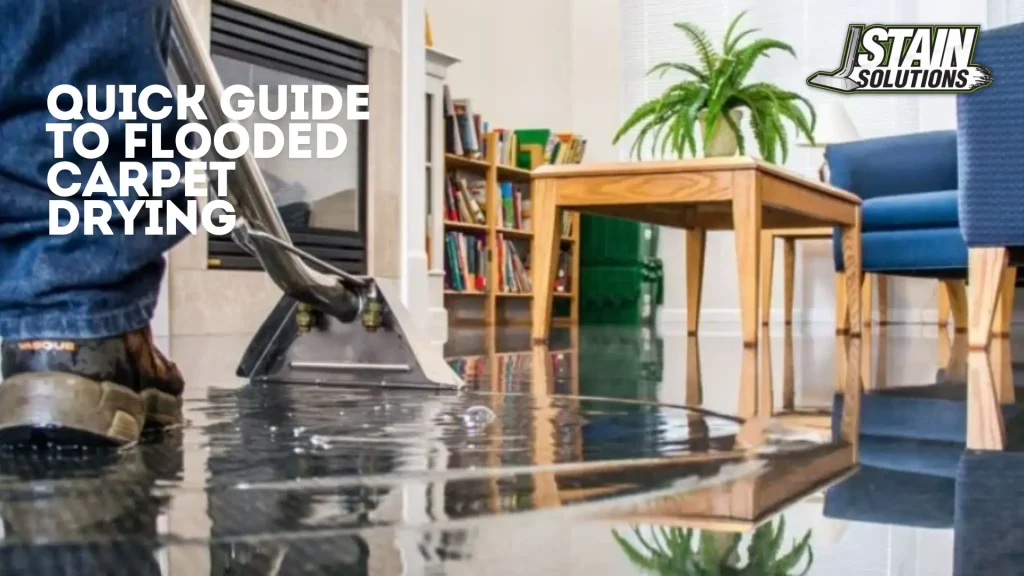
Key Highlights Acting quickly is crucial to prevent further damage when you have a flooded carpet after a leak or flood. Water damage can cause mold growth, structural damage, damage to belongings, and increased costs if not addressed promptly. The comprehensive guide to drying your flooded carpet involves immediate water extraction, thorough carpet cleaning and debrowning, and managing moisture with dehumidifiers and air movers. Hiring professional water damage services offers the benefits of experience and expertise, professional standards, insurance coordination, and rapid response. Additional restoration services provided include water damage restoration, wet carpet drying, mold remediation, structural drying, sewage cleanup, and subfloor, wood, and hardwood drying. The dedication to customer satisfaction ensures that the drying process is thorough and prevents mildew growth. Introduction When water floods your carpet, it’s not just the carpet at risk; your entire property is affected. Acting quickly is crucial to prevent further damage and minimize the risks associated with water damage. This quick guide to flooded carpet drying will provide you with the necessary steps to address water damage effectively. At Water Damage & Restoration Services, we understand the urgency of drying a flooded carpet. With over 15 years of experience and a team of fully trained experts, we are equipped to handle any size of water damage. Whether it’s a small leak or a major flood, our fast response helps protect your space from long-term issues. In this guide, we will discuss the risks associated with water damage, the comprehensive steps to drying your flooded carpet, the benefits of hiring professional water damage services, and the additional restoration services we provide. By following this guide and seeking professional help, you can ensure the proper drying of your flooded carpet and minimize the potential for further damage. Understanding the Risks Associated with Water Damage Excess moisture can wreak havoc on your property if not addressed promptly. When water floods your carpet, it can lead to further damage that extends beyond the affected areas. Understanding the risks associated with water damage is essential to take the appropriate steps for drying your flooded carpet. One of the primary risks of water damage is the growth of mold. Mold can start to grow within 24 to 48 hours after a flood, posing a threat to both the carpet and your health. Mold spores can trigger allergies and asthma, making it crucial to address water damage promptly to prevent the growth of mold. In addition to mold growth, water can seep into the walls, floors, and even the foundation of your building, causing structural damage. This weakening of the structure can lead to costly repairs if not addressed early on. Moreover, if you don’t remove the water quickly, it can ruin your furniture, electronics, and personal items, resulting in significant damage and financial losses. Furthermore, the longer you wait to address the water damage, the more expensive the repairs can become. Water damage restoration requires extensive efforts and specialized equipment, which can increase the costs if the damage escalates. To minimize these risks, it is crucial to act swiftly when you have a flooded carpet. Calling in water damage restoration professionals like our team ensures that the excess water gets removed swiftly and safely, protecting your property and keeping repair costs down. By addressing water damage promptly, you can prevent further damage, mold growth, and financial losses. Comprehensive Guide to Drying Your Flooded Carpet Drying a flooded carpet properly is crucial to prevent long-term damage to your property. This comprehensive guide will walk you through the steps involved in drying your flooded carpet effectively. By following these steps, you can ensure that your carpet gets dried and restored to its pre-damage condition, protecting your investment and the health of your space. The Benefits of Hiring Professional Water Damage Services When it comes to water damage and flooded carpet drying, hiring professional services offers several benefits. The expertise and experience of professional water damage restoration companies ensure that your property gets restored efficiently and effectively. Here are the key benefits of choosing professional water damage services. Firstly, professional water damage restoration companies have years of experience in dealing with various types of water damage scenarios. Whether it’s a flood, storm damage, or plumbing failures, these professionals know exactly how to tackle any water damage restoration situation quickly and effectively. Their expertise and knowledge allow them to assess the extent of the damage accurately and develop a tailored restoration plan. Secondly, professional water damage restoration companies adhere to professional standards. They are fully certified by reputable organizations such as the Institute of Inspection Cleaning and Restoration Certification (IICRC). This certification ensures that they follow industry-best practices and maintain the highest standards in water damage restoration. By hiring professionals, you can be assured that your property is being restored using the latest techniques and equipment. Thirdly, dealing with insurance can often be as stressful as the damage itself. Professional water damage restoration companies have experience in coordinating with insurance companies. They are approved providers for all major insurance companies, streamlining the claims process and ensuring faster resolution of your claim. This takes the hassle out of dealing with insurance and allows you to focus on restoring your property. Lastly, professional water damage restoration companies offer rapid response services. Water damage doesn’t wait, and neither do these professionals. They provide 24/7 emergency services and guarantee on-site arrival within 60 minutes of your call. This prompt response is crucial in preventing further damage and immediately starting the flooded carpet drying process. Choosing professional water damage services means that you’re not just getting a service provider; you’re getting a partner who cares about restoring your property and minimizing stress in your life. Whether it’s a small leak or a major flood, you can rely on professionals to be there when you need them most. Additional Restoration Services We Provide In addition to flooded carpet drying, we offer a range of additional restoration services to address every aspect of your water damage situation. These services